Settling in Monaco: visa, residence permit and housing

Published on:
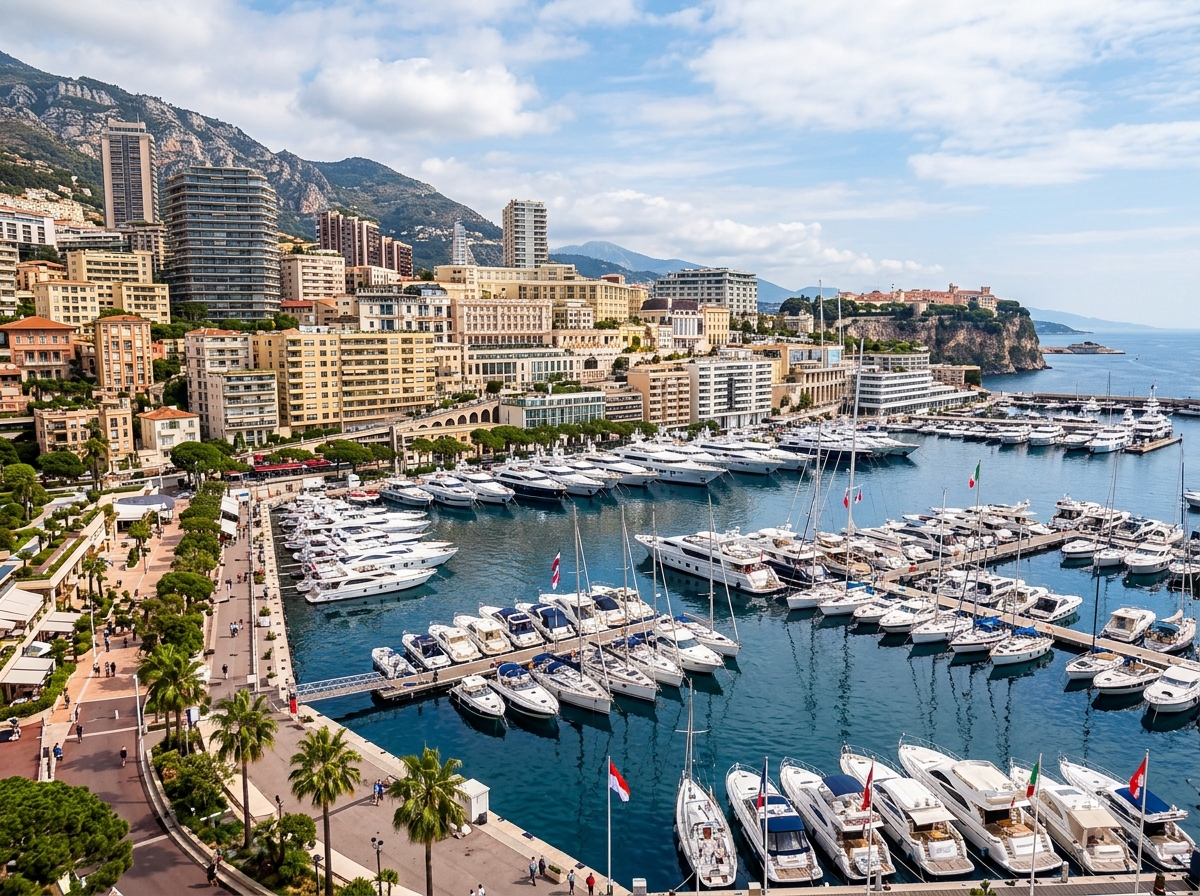
Settling in Monaco complies with a precise regulatory framework. This guide details the conditions, formalities, and steps to become a resident in the Principality.
The Principality of Monaco, nestled between the sea and the hills on the Côte d'Azur, constantly attracts those who envision a lifestyle away from the hustle and bustle of the continent. Settling in Monaco is a project that must be conceived with rigor: the Monegasque authorities have built a precise regulatory framework, guaranteeing the cohesion of the Principality and the quality of life of its residents. Before discovering the districts of Monaco and choosing the one that suits you, understanding the procedure in its entirety is essential.
This guide is intended for those who wish to become a Monegasque resident — French, European, or non-European Economic Area nationals. Each situation is unique, and conditions vary according to the origin, professional situation, and resources of each individual. Discretion and precision are the pillars of a successful installation in the Principality.
Monaco, a sovereign Principality in its own right
It would be inaccurate to consider Monaco as an extension of French territory. The Principality is a sovereign State, with its own rules regarding residence. Although French-Monegasque relations are close, Monegasque law imposes its own conditions on anyone wishing to reside in Monaco for more than three months. Membership in the European Economic Area does not confer any automatic right to reside in the Principality.
The Principality welcomes a particularly international population. However, administrative conditions remain individual and must be verified according to the applicant's nationality and situation.
Who is the installation in the Principality for?
Contrary to received ideas, settling in the Principality is not reserved for a single profile. Entrepreneurs, retirees, families with minor children, artists: the diversity of Monegasque residents reflects Monaco's measured openness. What unites them is solid financial resources, an irreproachable morality, and the desire to establish a lasting anchor in this exceptional territory.
No. French nationals do not have to apply for an establishment visa for Monaco. However, a resident card remains necessary for any installation meeting the residence conditions set by the Monegasque authorities.
The Police Department: the competent authority
All procedures related to residence are managed by the Police Department (Direction de la Sûreté), which houses the residents' section. It is to this resident service that files are submitted, requests are examined, and authorizations are issued. Monegasque public safety is renowned for its professionalism and discretion — two qualities that reassure newcomers.
Official information on documentary requirements and current procedures is available on the Monaco Government portal, which centralizes all regulatory texts applicable to foreign residents. An incomplete file can significantly delay the procedure: it is advisable to check every document before submission.
The establishment visa for Monaco
For nationals of third countries to the European Union, the first step is to obtain an establishment visa for Monaco. This document is issued by the competent French consular authorities in the applicant's country of residence — Monaco not having its own consular network abroad. Once in the Principality, regularisation with the Police Department must take place within a timeframe set by the texts.
This visa is fundamentally different from a tourist visa: it initiates a sustainable installation process and allows the procedure to obtain the resident card to begin. Processing times vary depending on the consulate and the completeness of the file. Anticipating this step several months before the desired date of installation is highly recommended.
Conditions to become a resident in Monaco
To become a resident in Monaco, everyone must satisfy conditions defined by the Monegasque authorities. The first is to prove good character: irreproachable conduct in the country of origin is required. The production of a clean criminal record extract — or one without any entry incompatible with residence — constitutes formal proof of this requirement. This criminal record must be recent and, depending on the country, legalized or apostilled.
The applicant must also demonstrate that they have sufficient financial resources to meet their needs without relying on Monegasque public assistance. This proof can take the form of regular income, an established estate, employment in Monaco, or sponsorship by a solvent third party who is already a resident of the Principality. In the latter case, the guarantor provides a formal statement as well as their own proof of financial resources.
Finally, justifying an effective place of residence in Monaco is essential: the accommodation must be real, occupied as a main residence, and adapted to the composition of the household. This is precisely where the real estate issue comes in, directly linked to the validity of the file submitted to the Police Department. Our article on the resident card in Monaco details each expected document.
The resident card: durations and categories
The resident card — also referred to as a residence permit — is the official document formalising Monegasque resident status. Its initial validity period is generally one year, renewable for progressively longer periods. French nationals benefit from a simplified procedure with an initial card of three years; other nationals of the European Economic Area obtain a renewable annual card.
The resident card must not be confused with the Monegasque identity card, which is reserved for citizens. It nevertheless gives access to all of the Principality's services and allows benefits from its tax and legal framework. To understand the tax implications of this status, our guide on tax residency in Monaco provides essential additional insight.
Presence in Monaco: do not confuse residence permit and tax residency
The three-month threshold appears in the residence rules: a foreign national aged 16 or over who wishes to stay in Monaco for more than three months a year, or to establish residency there, must apply for a residence permit. This threshold must not be presented as a sufficient criterion for tax residency. Tax criteria respond to a different logic and must be assessed according to personal situation and other States concerned.
This threshold is also central to tax residency: the Monegasque authorities may request concrete supporting documents to attest to the reality of the stay — local telephone bills, energy bills, Monegasque bank statements. The Principality does not recognise purely administrative residences. Every holder of a residence permit must be able to prove their effective presence during these required months per year.
Financial resources and support
Demonstrating sufficient financial resources is one of the most critical requirements of the application. For an employee working in Monaco, the employment contract and recent payslips are sufficient. For an entrepreneur, balance sheets and bank statements are required. For a retiree, it is a matter of justifying regular and sufficient income in view of the cost of living in the Principality.
The concept of support by a third party is recognised by Monegasque regulations. If a relative who is already a resident supports the applicant — a mechanism often referred to as support by a third party —, they provide a formal attestation and their own proof of resources. This provision frequently concerns adult children joining their parents settled in the Principality, or spouses without independent professional activity.
The concrete steps of settlement
The procedure follows a logical sequence that must be scrupulously respected. First step: find and sign a lease or a deed of sale in Monaco — without justifiable accommodation, the application cannot be submitted to the Residency Section. Second step: compile the complete administrative file — identity documents, civil status, recent criminal record extract, proof of financial resources, proof of address in Monaco and, depending on nationality, certified translations.
Third step: submit the application to the Residency Section of the Police Department and wait for the investigation. An interview may be requested by the services. Obtaining the resident card occurs after full validation and payment of the corresponding fees. Expert advice in Monegasque law or an experienced agency makes it possible to streamline each step and avoid administrative back-and-forth.
Living in Monaco day-to-day: the choice of district
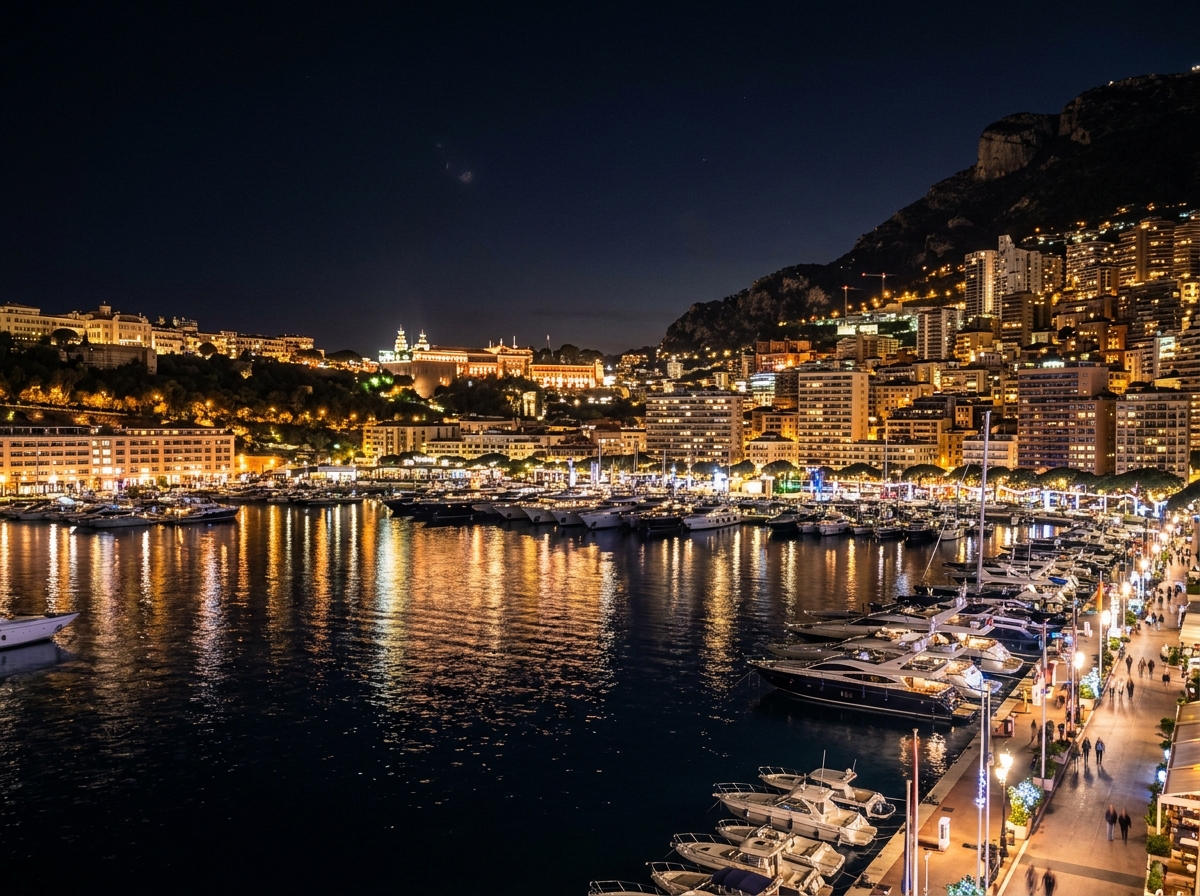
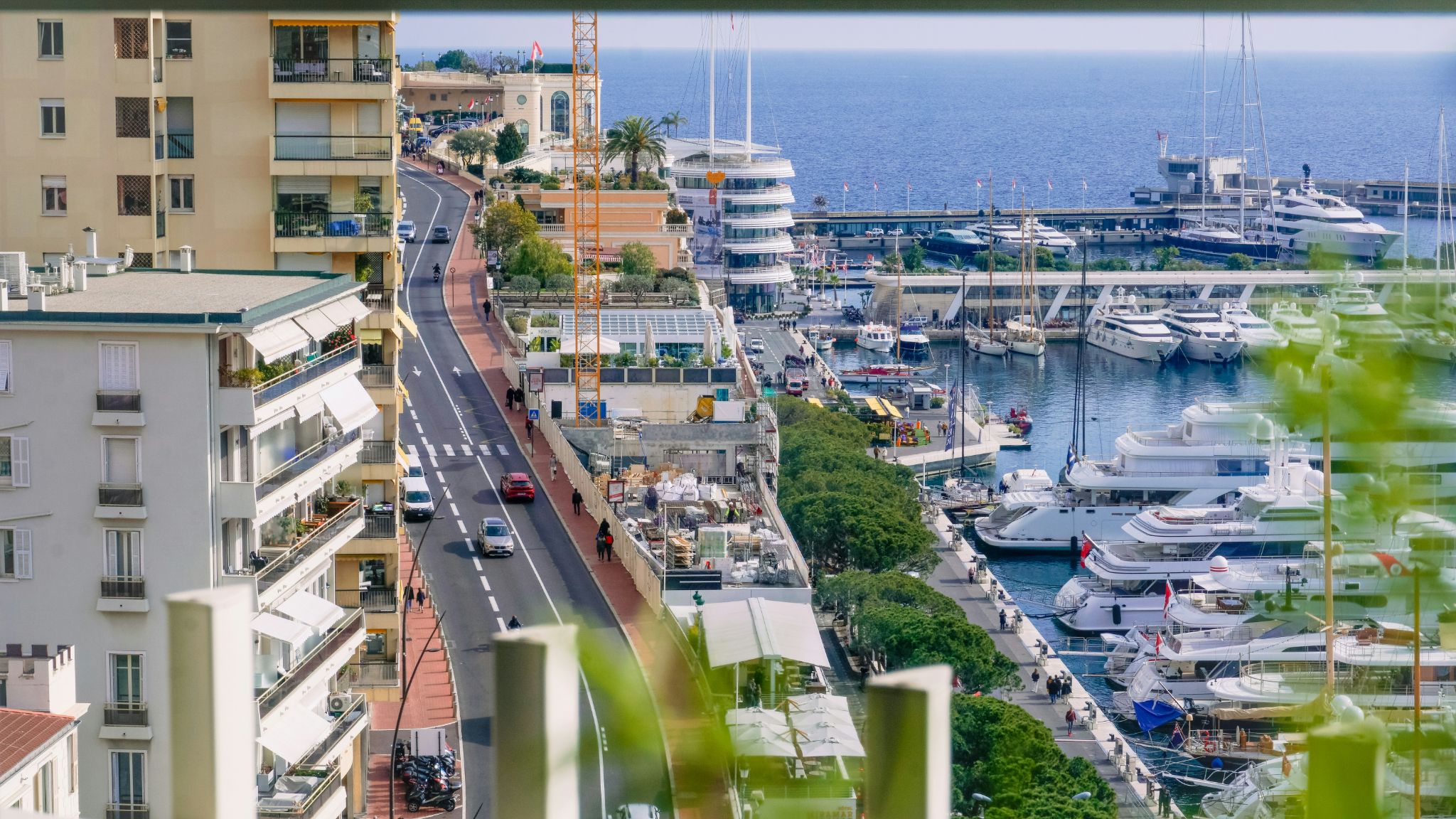
Living in Monaco involves much more than just the administrative aspect. Once Monegasque resident status is obtained, the choice of district becomes essential. Monte-Carlo, around the Casino and the Opéra Garnier, embodies the international prestige of the Principality. La Condamine, more lively, appeals to those who enjoy neighbourhood life in its most vibrant dimension. Fontvieille, quiet and green, attracts families seeking discretion.
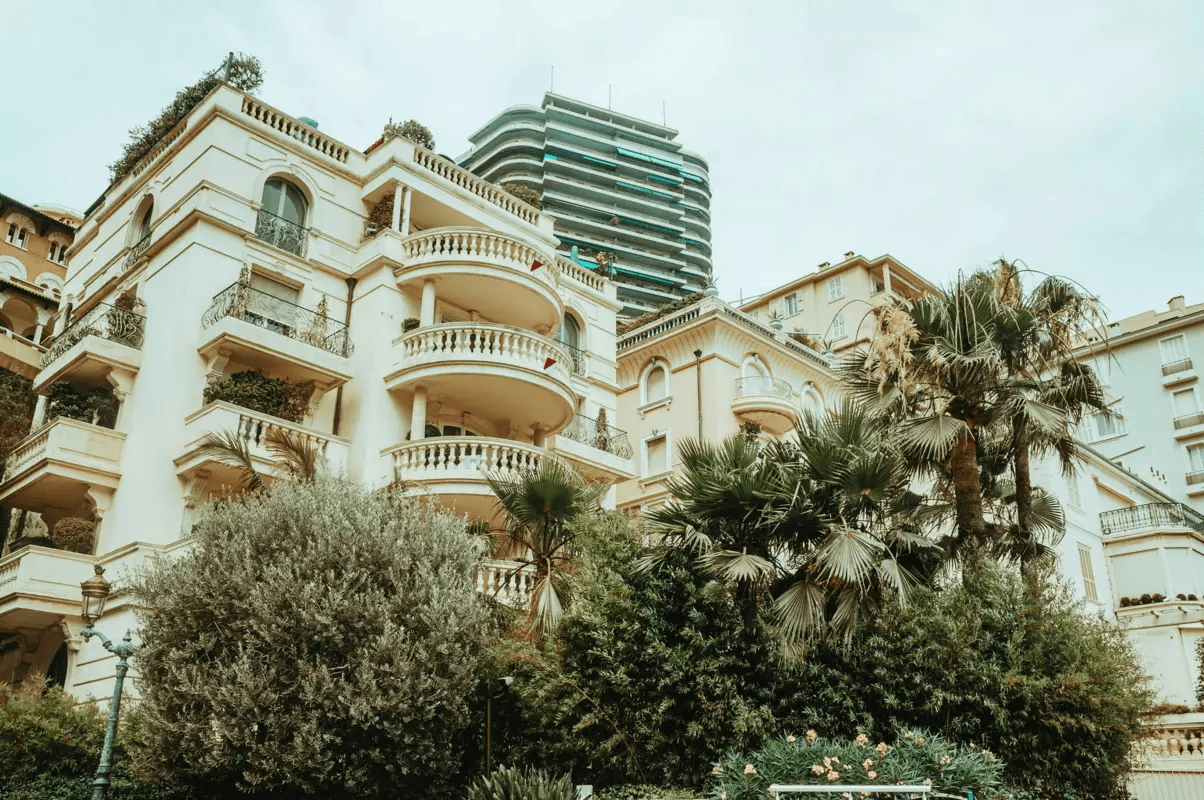
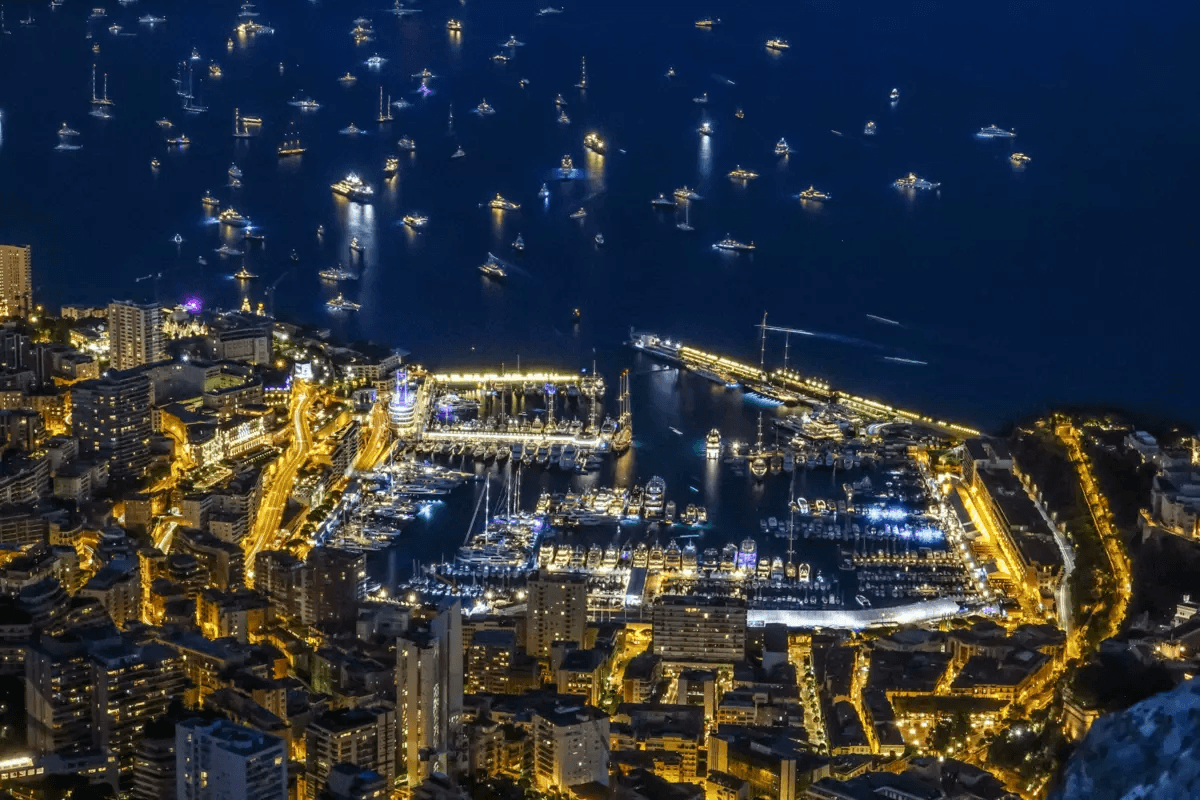
Larvotto, with its beaches and contemporary buildings facing the sea, suits lovers of seaside life. The Jardin Exotique, nestled high up on the slopes of the Rock, offers panoramas of rare serenity. Each district has its own specificities and atmosphere. To fully understand daily life in Monaco — mobility, shops, services, schools —, a professional perspective makes all the difference in this market with specific rules.
Real estate support: a key dimension of your settlement
The real estate market in Monaco is one of the most atypical in the world. The scarcity of available properties, the consistency of international demand and the geographical concentration of supply create a dynamic that only professionals in the sector master. Finding the right property for your residency project, at the right time and under the best conditions, requires a solid network and a fine knowledge of the Monegasque landscape.
MyCrown Estates is an exceptional agency located in Monaco, specialising in supporting international clients wishing to settle in Monaco or consolidate a residential portfolio in the Principality. We select properties in Monte-Carlo, Fontvieille, Larvotto, Jardin Exotique and La Condamine with the discretion that characterises our approach. For those who are also considering structuring their assets, our article on luxury real estate in Monaco offers a complete overview of the market. Banking questions related to settling are addressed in our guide to private banking in Monaco. For an initial confidential and non-binding discussion, contact our team via our website.
Questions about settling and the residence permit
How much time must be spent in Monaco to maintain residency?
The three-month threshold concerns the obligation to apply for a residence permit when a person wishes to stay in Monaco beyond this duration or establish residency there. For tax residency, this threshold must not be automatically transposed: effective presence, the home, the centre of activities and the rules of other jurisdictions involved may come into play.
Do French citizens need a visa to settle in Monaco?
No. French citizens do not have to apply for an establishment visa for Monaco. A resident card remains necessary, however, for any settlement meeting the residence conditions set by the Monegasque authorities.
What is a criminal record extract and why is it required in Monaco?
A criminal record extract is an official document certifying the absence of criminal convictions incompatible with residency. The Monegasque authorities require it to ensure the good character of each applicant.
Is it absolutely necessary to have accommodation in Monaco before submitting a residency application?
Yes, justifying effective accommodation in Monaco is an essential condition. The lease or title deed must be included in the file submitted to the Residency Section of the Police Department.
Is residency in Monaco accessible to non-European Union citizens?
Yes, non-European Economic Area citizens can settle in Monaco, subject to obtaining an establishment visa beforehand through the competent French consulates in their country of residence.
In which Monaco district is it recommended to settle according to one's lifestyle?
Monte-Carlo suits lovers of international prestige, Fontvieille for families seeking discretion, Larvotto for seaside life, La Condamine for daily animation, Jardin Exotique for those who love panoramas and serenity.
Read also: Living in Monaco · International School in Monaco · Taxation in Monaco
The legal, administrative, banking or tax information presented here is general and does not replace advice tailored to your situation.